TRASH
TALK
Plastic recycling isn’t just a process.
It’s a movement.
Our blog dives into the latest breakthroughs in the world of recycling and inspiring stories about sustainability.
We unapologetically examine the downfalls and mistakes we still make when it comes to recycling plastic, while sharing practical ways to recycle effectively from home.
A platform for thinkers, creators, and disruptors redefining what luxury means.
Join us as we rethink waste and work toward a more circular, sustainable future
PLASTIC IS NONSENSE!
!!
“The greatest threat to our planet is the belief that someone else will save it.”
– Robert Swan


Adedolapo Boluwatife
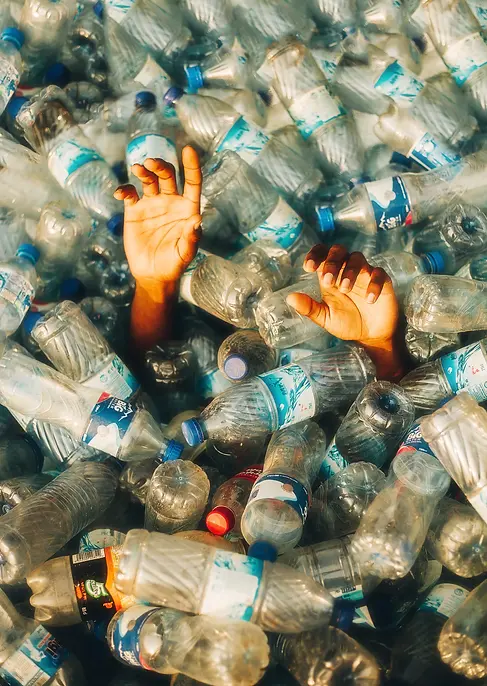
Lagos-based photographer Adedolapo Boluwatife turns plastic waste into powerful art. After witnessing frequent flooding in his Ojodu community, he linked the issue to poor waste management. His series Invitation to Invade uses collected plastic to raise environmental awareness through striking, fine art imagery that challenges traditional climate photography.
WHATS IN THE BAG!
Clear plastic bags are now standard for anything recycling, and for good reason apparently.
They allow for quick visual inspection, making it easier to identify contamination.
A single contaminated item can compromise an entire bag, forcing it into incineration.
That jar of sauce that you didn't rinse out properly could mean this whole bag is sent to be burned instead of just fishing it out.

The government claims to care about the environment, yet they continues to pay for incinerators to burn our waste.
Instead of investing in recycling


The “Big Plastic Count” conducted by Greenpeace & Everyday Plastic estimates that last year, 58% of UK household plastic alone was incinerated instead of recycled.
public money currently fuels a system designed to profit from destruction.

The sad truth is that less than 10% of everyday plastic actually gets recycled in the UK.

RECYCLING vs BURNING
66% of London waste is burned.
Recycling rates across the UK have flatlined for years now, meanwhile more and more incinerators keep being built, locking us into a future of waste dependency.
These plants run on contracts that demand trash to stay profitable. So even if people recycle more, the system is rigged to burn.
We're torching resources, choking the air, and calling it "green energy." It's not sustainable it’s a slow-motion dumpster fire.

In 2025, the UK approved the construction of
41!
new incinerators
Despite a temporary ban expiring in just
May of 2024!


PARAFFIN!
Paraffin wax is the most commonly used wax when it comes to making candles.
Because it’s cheap.
There's nothing complicated about it.
Companies all over the world have been prioritizing profit over consumers health for years now.
Paraffin Wax is made from petroleum, which is the same stuff as car fuel...
When burned paraffin wax candles, you release toxic compounds like toluene and benzene into the air.
These are things you
DO NOT
want in your home.

WISHCYCLING
Wishcycling:
Toss it in. Hope for the best.
Spoiler: it’s not actually getting recycled.
Wishcycling, by definition is the act of putting a non-recyclable item into the recycling bin, simply hoping it can be recycled.
For decades, big brands have told us that WE are the problem.
They tell you to rinse and sort while they drown the planet in plastic.
These companies actively lobby against regulations that could redefine the industry, they outsource waste to poorer countries, and profit from a system built on disposability.
GREENWASHING

DON'T FALL
FOR IT!

By definition, Greenwashing is when a company pretends to be environmentally responsible.
slapping on a green label, planting a tree here and there, or shouting about sustainability, all whilst doing little to nothing to back any of it up.
Companies all over the world do this to make you feel good about buying their products , while the real impact on the planet stays hidden.
Greenwashing tricks you into feeling good about your purchase while that very same company quietly continues the same unsustainable practices.At Nonsense Candles, we believe that everyone has the right to demand honesty. Not just aesthetics.
A recycled paper label doesn’t make a candle eco-friendly.
And a bamboo lid doesn’t cancel out a paraffin wax base.
By shining a light on our journey, we hope to inspire others to prioritize integrity when buying into a small business like us.
Meet the Team
BUSINESS OF SUSTAINABILITY


Textiles
FIBRELAB
FibreLab London is a trailblazing textile recycling hub based in East London, turning garment scraps and wasted fabric into high-value, locally made materials. With custom-built shredders and a hyper-local supply chain, they collect off‑cuts, damaged linens and more then sort, shred and remanufacture them into recycled fibre, PaperTex, cushions, biomaterials and beyond. Their mission? Zero waste, full circularity and keeping the whole process right here in the UK.

Cosmetics
LUSH
LUSH Cosmetics isn’t just a beauty brand. It’s a revolution in a
bath bomb.
Known for their bold colours, handmade products, and intoxicating scents, LUSH champions ethical beauty with zero compromise. From naked packaging and cruelty-free testing to using recycled materials and fresh, natural ingredients, LUSH is on a mission to prove that indulgence and sustainability can, and should coexist.

Plastic
GOMI
GOMI studio believes technology shouldn’t become obsolete. They design products with circular lifespans, using waste plastics and second hand batteries as core materials. Their modular designs make repairs simple, reducing waste.
Based in Brighton Lanes, their team of designers and sound technicians collaborate to create sustainable tech products built to last.


PLASTIC IN THE OCEAN
Every minute, a truckload of plastic enters our oceans.
That's 11 million tonnes every year.
choking marine life, destroying habitats and breaking down into microplastics that are now found throughout the food chain.
The UK exports around 50% of its plastic packaging waste overseas for recycling, where the final destination isn't always clear.
We're here to change that.
Our mission is simple: keep plastic out of our oceans, one piece at a time.
By choosing us, you're supporting a business that's committed to keeping plastic out of our oceans and giving waste a better future.
RECYCLING NO'S

Coffee cups
Pizza Boxes
Pizza boxes are all made of recyclable cardboard, but when they're soaked with grease or covered in food residue, they actually become a big problem.
The oils seep into the fibers of the box, making the material unrecyclable with the potential to contaminate entire loads of clean recycling.
Paper coffee cups may look recyclable, but most are lined with plastic to make them waterproof. This makes them difficult to separate and recycle, so many recycling facilities don’t accept them.
Shredded Paper
Paper is highly recyclable, but shredded paper is often not accepted in curbside recycling. Its short fibres can slip through sorting machinery, making it difficult to recycle. When possible, keep paper whole or check your local recycling centre for alternatives.
Receipts
Broken Glass
Broken glass can be difficult and dangerous to sort through at recycling facilities. Once shattered, it can contaminate other recyclable materials and is often too difficult to process, meaning it can end up being sent to landfill instead.
Bottle Caps
Juice Boxes
Juice boxes are difficult to recycle because they’re made from layers of paper, plastic and aluminium. These materials are hard to separate, meaning many standard recycling facilities can’t actually process them.
Plastic Containers
(With food Residue)
Food containers covered in grease, sauces or leftovers can contaminate recycling. Grease can ruin paper and cardboard fibres, while food residue can interfere with the recycling process. Give containers a good clean before recycling where possible.
Plastic bags
Plastic bags may be recyclable in theory, but their thin, flexible material can tangle in recycling machinery and cause serious problems. Most recycling facilities don’t accept them, but many supermarkets offer dedicated collection points for soft plastics.
Bottle caps can be recycled, but their small size and different plastic composition can make them difficult to sort and process. When left loose, they can easily slip through recycling machinery and end up in landfill. When in doubt, we recommend screwing the cap back onto the bottle before recycling.
Most receipts aren’t recyclable because they’re made from thermal paper coated with chemicals such as BPA or BPS. These coatings can contaminate recycled paper, so receipts belong in the bin, not the recycling.(we recommend opting for digital receipts whenever possible)

PLASTICS

Recycling in London varies from borough to borough, but one common challenge is that some major brands use packaging made up of several different types of plastic, often making it very hard to separate for recycling.

PET
(Polyethylene Terephthalate)
Found in:
Water bottles, fizzy drink bottles, salad containers.
Recyclable:
✅
YES
widely accepted if
Rinsed

LDPE
(Low-Density Polyethylene)
Found in:
Bread bags, frozen food bags, some squeeze bottles
Recyclable:
♻️
Sometimes
- Can often be recycled at supermarket soft plastic collection points

HDPE
(High-Density Polyethylene)
Found in:
Milk bottles, shampoo bottles, cleaning products
Recyclable:
✅
YES
easily recycled
Tip: Keep the lids on (if same material)

PP
(Polypropylene)
Found in:
Yogurt pots, takeaway containers, bottle caps
Recyclable:
♻️
Sometimes
– varies by borough
Tip: If in doubt, check your council website

PVC
(Polyvinyl Chloride)
Found in:
Plumbing pipes, window frames, cling film
Recyclable:
❌
NO
Tip: Try to avoid if possible

PS
(Polystyrene / Styrofoam)
Found in:
Disposable coffee cups, meat trays, takeaway boxes
Recyclable:
❌
NO
– hard to recycle and environmentally harmful

Other (Mixed Plastics)
Found in:
BPA plastics, polycarbonate (e.g. reusable water bottles)
Recyclable:
❌
NO
Tip: Try to reuse or choose alternatives
To find out more about your local recycling rules and collection info
Go to:
https://www.gov.uk/rubbish-collection-day
and simply enter your postcode.
It only takes two seconds.and could even prevent a whole bag of recycling from ending up in the landfill.
Get involved:
Whether you’re a seasoned writer or just starting out, we’d love to have your voice added to our platform.
Get in touch to learn more about how you can be a part of our blogging journey!